-

April 2023 ~ Our trial with removing stains from old ceramics.
Read more: April 2023 ~ Our trial with removing stains from old ceramics.Many of us collect vintage and antique ceramics and it is rare that we come across a very goodspecimen at a bargain price. And we like bargains. We often see badly stained pieces from the 1930s and generally we do not collect them. However, it seems a shame not to add them to our collection…
-

Collecting Tea Tins
Read more: Collecting Tea TinsIt often starts off with just one tin and no intention of gathering more for a collection. Then along comes a bargain, an opportunity, an Irresistible addition to your lonely tin on the kitchen shelf. Then away you go – looking for retro and vintage style of different colours, eras, shapes and country of origin. …
-

Collecting Salt and Pepper Shakers and Cruets
Read more: Collecting Salt and Pepper Shakers and CruetsSalt and pepper shakers are ubiquitous on our dining tables and food preparation areas.We couldn’t manage without ours for sure. John Mason, the inventer of the Mason Jar is credited with inventing the first salt shaker in 1858 – although they took awhile to catchon. Before that people used salt cellars with little spoons for…
-

Collecting Carlton Ware
Read more: Collecting Carlton WareWe have discerned a revival in the air. Collecting Carlton Ware is back on! We werecollecting recently at The Barras in the east end of Glasgow when a wily store ownernoticed our distraction with his Carlton Ware displays. “Oh you are Australian are you..is Carlton Ware big over there?” he asked. “Umm well we like…
-
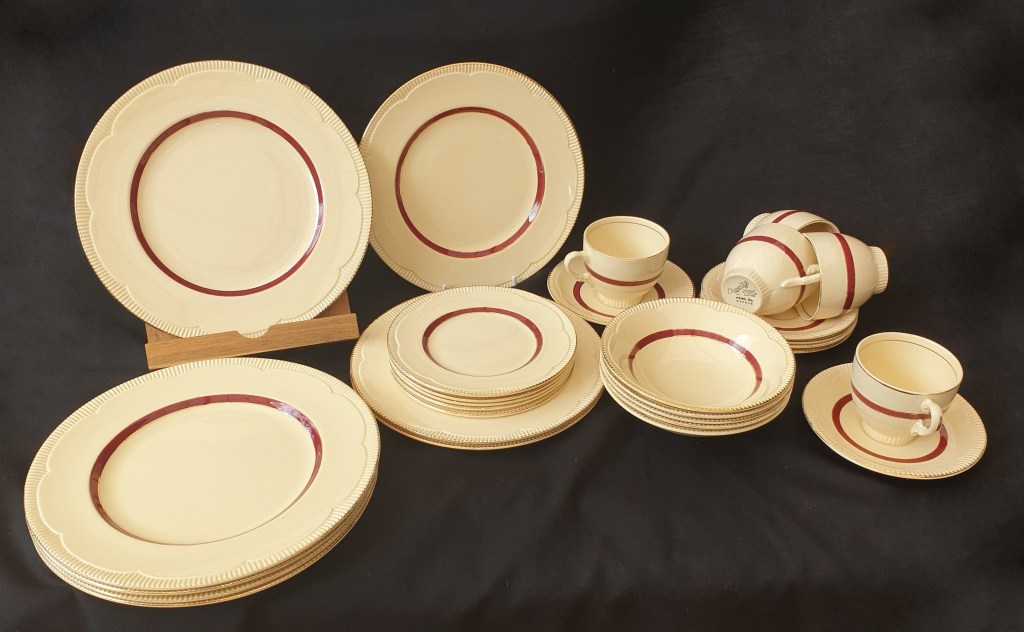
The dilemma of splitting up dinner sets to sell
Read more: The dilemma of splitting up dinner sets to sellWhat a beautiful sight it is to see a complete dinner set of some 50+ pieces. In the daysof large households with servants, sets could contain everything from egg cups to largeserving trays, with each place-setting comprised of seven or more pieces. Imagine thewashing up! These days households are smaller and people tend to buy…
-

What is Crazing and How to Look After Your Ceramics From Yester-year?
Read more: What is Crazing and How to Look After Your Ceramics From Yester-year?So you like collecting antique, vintage and retro ceramics but are worried about crazing on your collectible ceramics? Crazing is a network of fine cracks in or under the glazing. It can be caused by uneven changes to temperature across the surface of the object and can come about for example when the object is…

 The Hariet Emporium